📅 Facebook Events From $1
Nobody wants to be the first person at a party. The same psychology applies to your Facebook event—empty response lists kill momentum before it starts. Real "Going" and "Interested" responses to make your event look like the place to be, because events that look popular become popular.
The Empty Event Problem
You've created your Facebook event. The details are perfect. The cover image looks great. The description is compelling. You hit publish, share it with your audience, and wait for the RSVPs to roll in.
And then... nothing. Or close to nothing.
Three people marked "Going." Seven clicked "Interested." Your event page looks abandoned. And here's the worst part: every person who visits that page now sees those empty numbers and makes an instant judgment.
👀 Instant Judgments "Only three people are going? This must not be a big deal."
"If this event were worth attending, wouldn't more people have responded?"
"Maybe I'll wait and see if more people sign up before I commit."
That last thought is the killer. People wait to see if others commit. But others are also waiting. Everyone's waiting for someone else to go first. Meanwhile, your event page sits there looking like nobody cares.
This is the cold start problem applied to events. Low initial responses discourage more responses. The event looks dead, so people treat it as dead. Momentum never builds because there's no momentum to build on.
🔥 Don't Start Cold The solution is simple: don't let your event start cold.
Events that look popular become popular
📅 Going + Interested
From $1
Real "Going" and "Interested" responses. Mix and match. No admin access. Natural delivery.
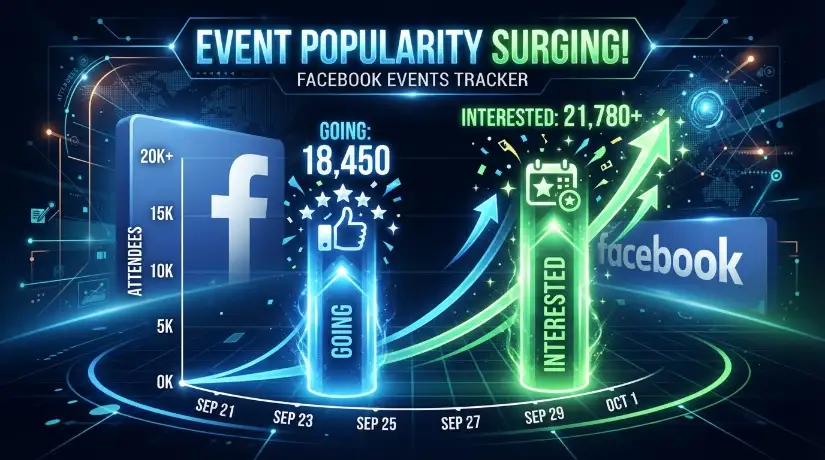
Going vs. Interested: Understanding Both Signals
Facebook events offer two response options, and they serve different purposes:
✅ "Going" Responses
Going is a commitment signal. It tells other viewers that these people plan to actually attend. High "Going" numbers create urgency and FOMO—this event is happening, people will be there, you don't want to miss it.
Going responses also affect Facebook's distribution. Events with strong "Going" counts get recommended more broadly. They appear in more feeds. The algorithm treats them as events worth promoting because people have committed to attending.
⭐ "Interested" Responses
Interested is a softer signal—curiosity without commitment. It tells viewers that people find this event appealing even if they haven't fully decided yet. High "Interested" numbers suggest broad appeal and create a consideration pool.
Interested responses also keep your event visible. Facebook shows event updates to people who clicked "Interested." They get reminders. They see when friends respond. The interest converts to attendance over time.
The Strategic Combination
Smart event promotion uses both signals together.
Strong "Going" numbers create commitment social proof—people are definitely attending, this is happening, it's real.
Strong "Interested" numbers create popularity social proof—lots of people find this appealing, it's generating buzz, it's worth paying attention to.
🎯 Both Signals Together The combination makes your event look both committed and buzzing. Serious enough that people are going. Popular enough that many more are considering it. That's the profile of an event worth attending.